
Innovation in an Analog World: Designing for a Slower Pulse
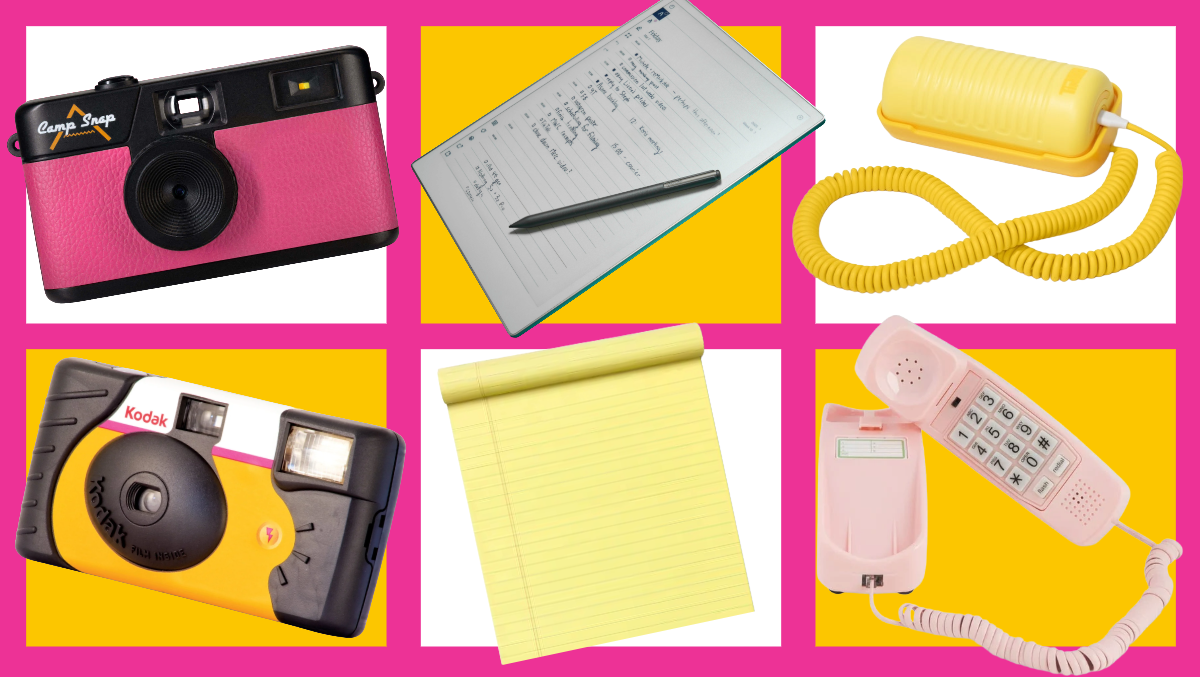
On one side, a device so fast it seems to read your mind before your thumb has even decided what to do next. On the other, a phone that rings with a stubborn, charming insistence as if it never got the memo that it’s no longer 1986. But, I still have countless phone numbers memorized.
For decades, innovation has chased the first: faster, smoother, smarter. Every pause trimmed, every rough edge polished until it gleamed. The ideal product didn’t just work; it anticipated, glided, and quietly removed itself from the equation.
But lately, something else has been calling us back. Experiences that ask us to linger. To notice. To participate. Maybe even to play a little.
That tension is where the new Analog Renaissance lives, not in rejecting progress, but in reintroducing just enough texture to make things feel real again. Because sometimes, what makes a product memorable isn’t how frictionless it is, but how alive it feels in your hands.
In fact, even small gestures, like a ring that’s unmistakable, a texture you can feel, or a single unedited click of a camera, can become the difference between fleeting attention and lasting connection. This is exactly the kind of nuance that System1’s Test Your Innovation helps uncover. By testing how these subtle, analog-inspired touches land with real people, teams can innovate confidently without over-engineering every moment.
The New Innovation Equation: Effort Creates Meaning
Innovation has long been a game of subtraction: remove the click, remove the wait, remove anything that might cause a raised eyebrow. And to be fair, that playbook worked. Effortless is seductive. But when everything becomes effortless, it also becomes indistinct. If nothing asks for your attention, nothing really earns it either. The emerging equation is evolving: effort creates attention, attention creates memory, and memory creates value. A product that asks a little more of you often gives a lot more back. It holds your focus, anchors the moment, and makes the experience feel participatory rather than passive.
The tricky part is calibration. A pinch of friction can feel magical; a handful can feel like a problem. This is exactly where Test Your Innovation shines. When you’re experimenting with effort and emotion, it helps answer questions like: does this friction feel intentional or irritating? Does it create focus, or just slow things down? Does it make the experience more memorable, or simply more work? In an analog-leaning world, the right answer isn’t obvious, but it is measurable.
1. When “Less Tech” Becomes the Product
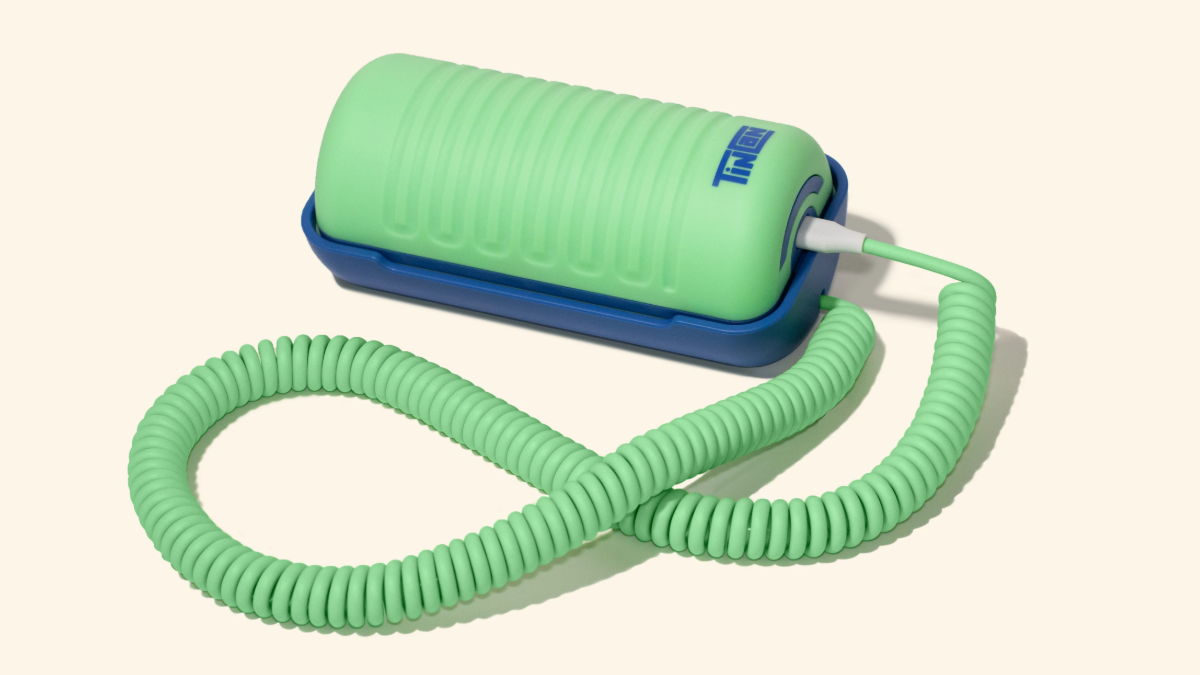
Somewhere between a rotary phone and a WiFi router lives a curious little invention called Tin Can. It doesn’t glow, scroll, or tempt you with “just one more thing.” It just… rings. A real, unapologetic ring that cuts through the room like a tiny announcement: someone wants you. Pick it up, and you’re instantly in a moment. Not half in, not multitasking, fully there.
Tin Can is a WiFi-connected phone designed for kids, but it quietly solves a very modern adult problem too. Parents want to give their kids independence without handing them a pocket-sized portal to the entire internet. Tin Can offers a middle path: a small, contained communication universe with approved contacts and simple controls. It’s not trying to out-feature a smartphone, it’s sidestepping the whole category. No screen, no feed, no endless rabbit holes. And somehow, that absence feels like the feature.
Tin Can turns communication back into something you enter, rather than something that hums along in the background. When it rings, it matters; when you answer, you’re present. That’s not less functionality, it’s different value. But designing “less” is a delicate dance. Too little, and it feels calm. Too little, and it also risks feeling like something is missing. This is exactly where testing becomes critical: does “screen-free” feel liberating or limiting? Does simplicity read as intentional or incomplete? Does the product spark relief… or hesitation? System1’s Test Your Innovation lets teams answer those questions before launch, turning gut instincts into data-backed confidence.
2. The Power of the Uncontrolled Moment
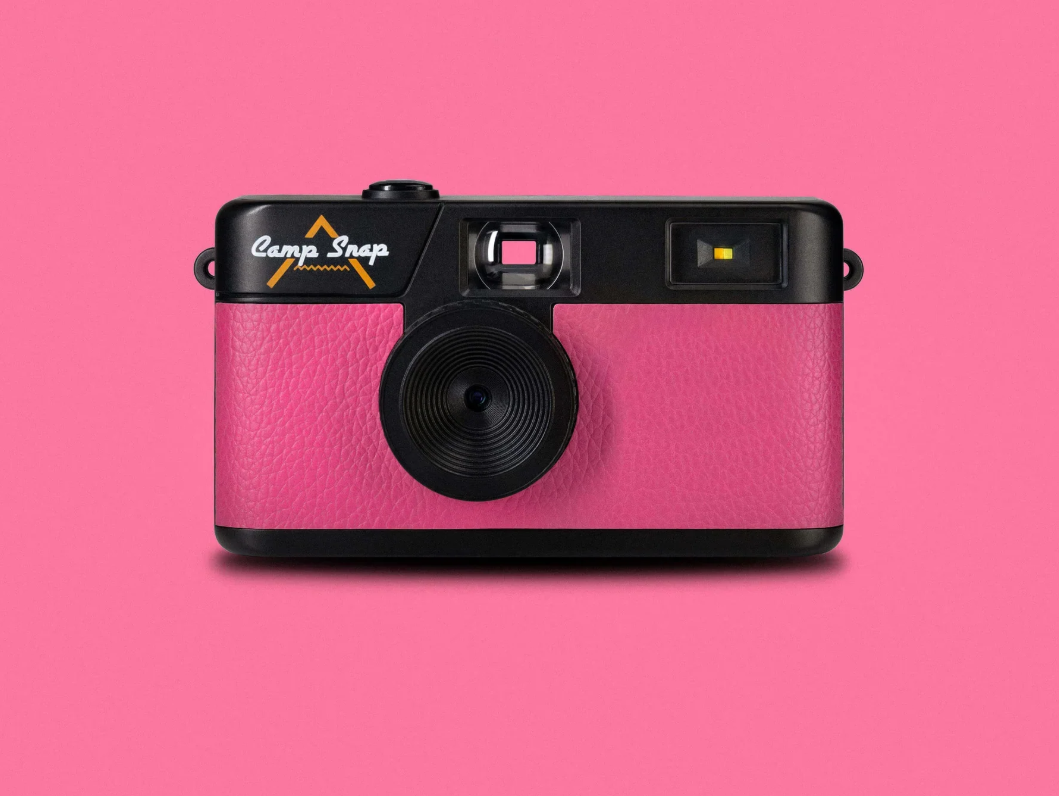
For years, innovation in content creation has chased perfection. Better cameras, smarter edits, filters that can turn Tuesday into a magazine cover. But perfection has a funny side effect: when everything is polished, nothing feels particularly personal. Enter the beautifully imperfect. Products like the Camp Snap Screen-Free Digital Camera remove the safety net. No preview, no instant edits, no retakes fueled by self-doubt. You click, and the moment is gone, or rather, it’s lived.
The result is subtle but powerful. Instead of curating the moment, you participate in it. Instead of asking, “Did I get the shot?” you’re more likely to ask, “Did I enjoy that?” It’s a small reframing with big emotional consequences. But this is a balancing act. Remove too much control, and it can feel freeing. Remove too little, and it can feel like a half-finished product. Tools like System1’s Test Your Innovation help teams gauge how much control to give, so the experience lands as playful rather than frustrating. Analog innovation often wins, or loses, in the first few seconds of feeling, not in a post-purchase review.
3. Designing for Cognitive Space (and Guarding It Like Treasure)
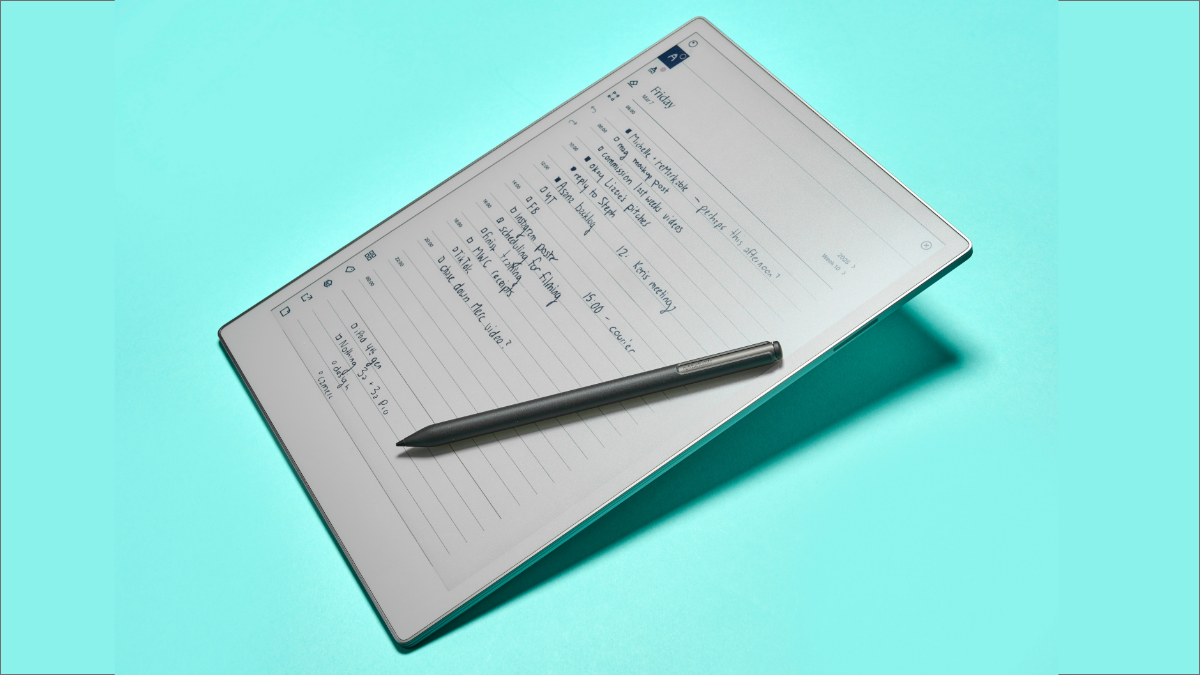
If friction can focus attention, then silence can protect it. Modern digital tools are powerful, but they hum constantly: notifications, tabs, alerts, gentle nudges that are not always so gentle. It’s like trying to think in a room where someone keeps tapping your shoulder “just one more time.” Devices like the reMarkable 2 take a different approach. They don’t compete on features, they create an environment, a quiet, distraction-light space where ideas have room to stretch. No feeds, no pop-ups, no sudden detours into something unrelated. Just you and the page.
From a traditional lens, that can look like a limitation. Fewer features, fewer integrations, fewer reasons to stay plugged in. From a human lens, it can feel like relief. But that difference is perceptual, and perception is precisely what needs to be tested. With System1’s Test Your Innovation, teams can measure whether a stripped-back experience feels focused or restrictive, calm or anxiety-inducing, freeing or frustrating. When you’re innovating by subtraction, success depends on how that subtraction feels.
Rethinking Progress (Without Losing Momentum)
All of this points to a shift in how we define progress. It used to mean more: more features, more speed, more capability. Now, it increasingly means the right amount: the right pace, the right level of effort, the right balance between convenience and experience. Sometimes that still means faster. Sometimes it means slowing things down just enough for people to notice. But here’s the internal tension: doing less can feel like doing… less. It’s a harder story to tell in a room that’s been trained to equate progress with addition. Which is why evidence matters, and why playful experimentation, paired with tools like System1, gives teams the confidence to do less, better.
Final Thought: Progress, With a Pulse
The future isn’t less technological. It’s more deliberate about when to sprint and when to slow down. Some experiences will keep accelerating until they fade into the background. Others will pause just long enough to be felt.
Think about it. You can probably recall old phone numbers from years ago, yet forget a password you set last week. The difference is simple. The things we remember ask something of us.
That’s where innovation is shifting. Not toward more, but toward meaning.
The brands that win won’t just ask, “What can we build?” They’ll ask, “How should this feel?”
And with the right tools to test, learn, and refine, including System1’s Test Your Innovation, they won’t have to guess.