
Creators Are Brand Builders: The Creator Economy Has Entered Its Effectiveness Era
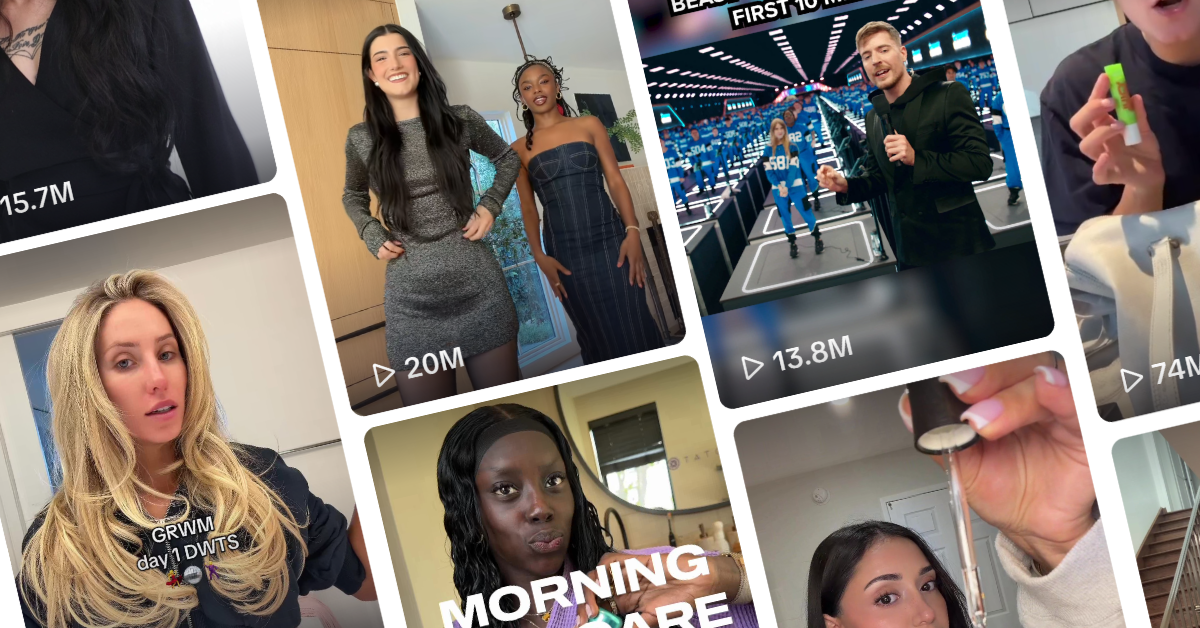
From Alex Earle to Jake Paul to MrBeast, it’s impossible to open TikTok, YouTube or Instagram without seeing influencers and, increasingly, branded influencer content. Though creator partnerships were once a small part of the media mix, they are growing into a core focus for many advertisers, both category leaders and challengers.
Despite the quick rise of paid influencer content, marketers have often lacked the evidence to adequately showcase their long-term value. In fact, research shows that creators don’t just drive engagement, they build brands and convert demand.
System1’s recent webinar featuring WPP’s Jane Christian, Jellyfish’s Tom Roach and our very own Andrew Tindall brings together the data and best practices that marketers need to maximize the impact of creator assets.
Missed the webinar? We’re breaking down the key insights to help marketers unlock the full commercial power of creators.
Influencers Can Deliver the Long and the Short
Earlier this year at the IPA’s Effectiveness Conference, Jane Christian introduced a new study in collaboration with the IPA that has important implications for media planning. It brings together 220 econometric studies across £133m of creator spend, covering 28 markets, 36 categories and 144 brands to understand creator ROI at scale.
Not only are the findings enlightening, but so too is the way in which creators are framed in the research: as a media channel.
Creators in the study delivered a short-term ROI index of 99, meaning they perform as well as the average channel in three-month sales uplift. Some sectors such as health & beauty scored above-average ROI, and though Telco has low spend, it saw extremely high ROI potential. Most notably, creators outperform paid social ROI when isolated.
If we’re talking about the short, we must also address the long. Jane revealed some game-changing data on long-term payback. Over two years, creators delivered a long-term ROI index of 151, meaning creators outperform the average channel by 51% in long-term effects. Creators influence brand perceptions, memory structures, affinity and trust and salience among non-active buyers.
Thus, creator content behaves less like performance marketing and more like modern brand building. This aligns powerfully with System1 and TikTok’s research, where entertaining short-form content also produces strong memory, awareness and emotional impact.
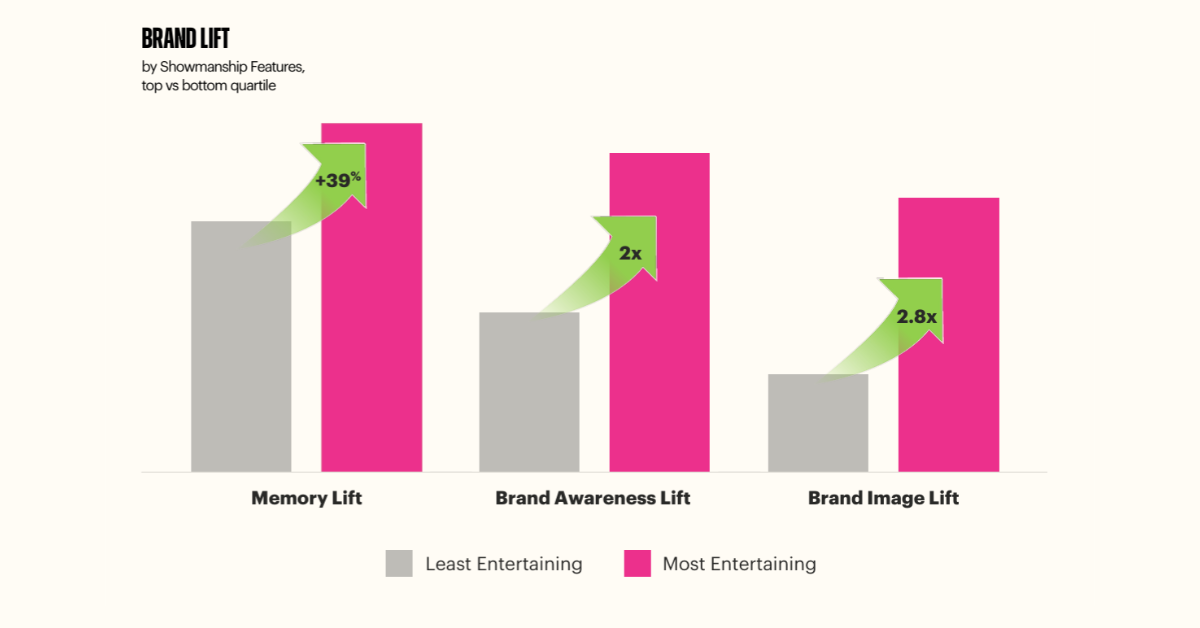
It’s important to note that creator ROI has huge variability. The IPA dataset showed a wide spread of ROI outcomes, far wider than traditional channels. This is because influencers don’t behave like a standard media channel. Creative fit and brand–creator alignment drive outcomes, not spend. As Andrew Tindall explored in the final part of the webinar, creative quality is the biggest driver of ROI.
Creators Drive Attention, Trust, and Brand Impact
Next, Tom Roach explained why creators work and what brands must do to capitalize on the opportunity. The vast majority of digital ads don’t hold attention for longer than a few seconds. But creators have an attention advantage. Creator-led content performs better, with higher watch time, stronger brand recall, more engagement and stronger click-through rates.
And their impact goes beyond attention. Consumers perceive creators as relatable, similar to themselves and experts in their niche. This leads to higher trust, stronger affinity and greater persuasive power. In short, creators are a modern marketers’ “Swiss army knife” if they’re used in the right way.
The problem is the branding gap, as only 27% of creator ads link clearly to the brand. Tom issued a clear warning that branding is both the biggest problem but also the biggest opportunity for brands regarding creator work. System1 and TikTok’s research shows that exceptional early branding drastically lifts memory, brand awareness and brand image.
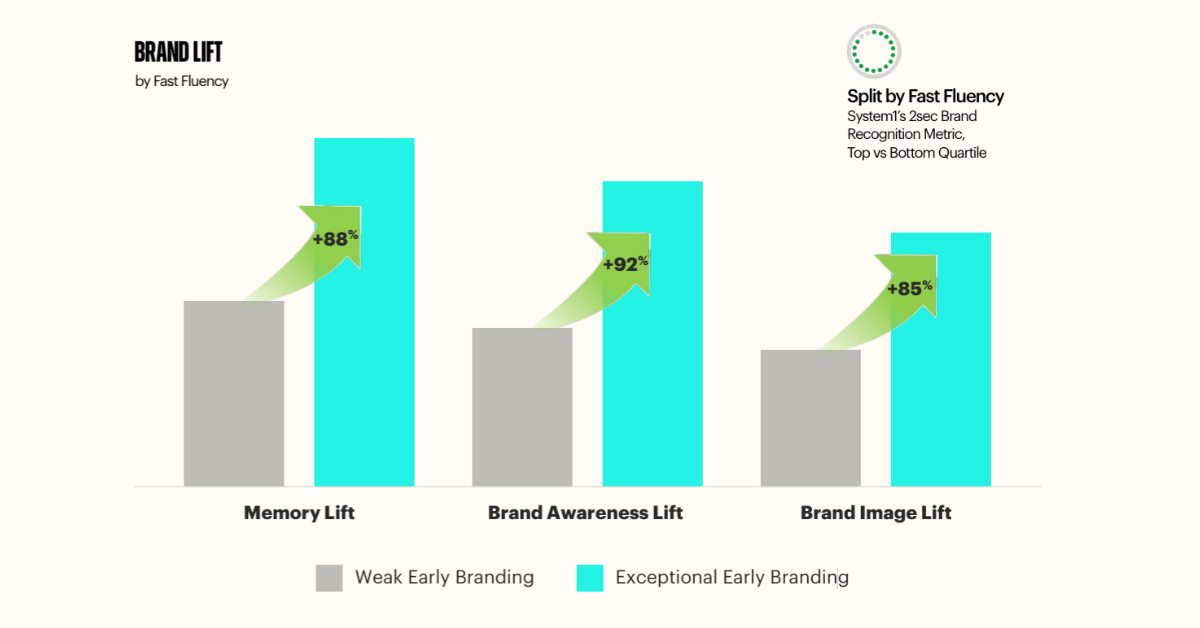
While most creator content lacks distinctive brand assets, we can’t put the blame on influencers. Marketers are often failing to properly brief creators so they integrate assets naturally. The right balance is key. Over-tight control kills authenticity, while under-control kills distinctiveness.
Thus, Tom recommends three principles for better creator content:
- Build synergy across channels: Creator assets must reinforce the master brand idea and codes, not sit in isolation.
- Bake branding into the creative: Through spoken brand name, claims, characters, visual codes, etc.
- Use long-term creator partnerships: Because repetition, familiarity and consistency drive higher ROI.
Creative Quality Is Key to Scaling Creator ROI
Finally, Andrew connected Jane’s ROI insights and Tom’s strategic recommendations and watchouts to System1 and TikTok’s evidence on creative effectiveness, based on our joint report The Long and the Short (Form) of It.
The good news is that creator ads generate 50% more attention. The bad news? They secure 50% less early brand recognition, putting all your meticulously curated creative at risk of doing little for your brand. This reinforces the branding gap that Tom raised.
Thankfully, there’s a solution, one that’s easy to action. Creator ads must leverage distinctive entertainment, making clear the connection with the brand as early as possible while still maintaining authenticity. When creator content brands early, it becomes the best-performing short-form ad type for brand awareness and image lift. This is why solid briefing, creative guardrails and distinctive assets matter.
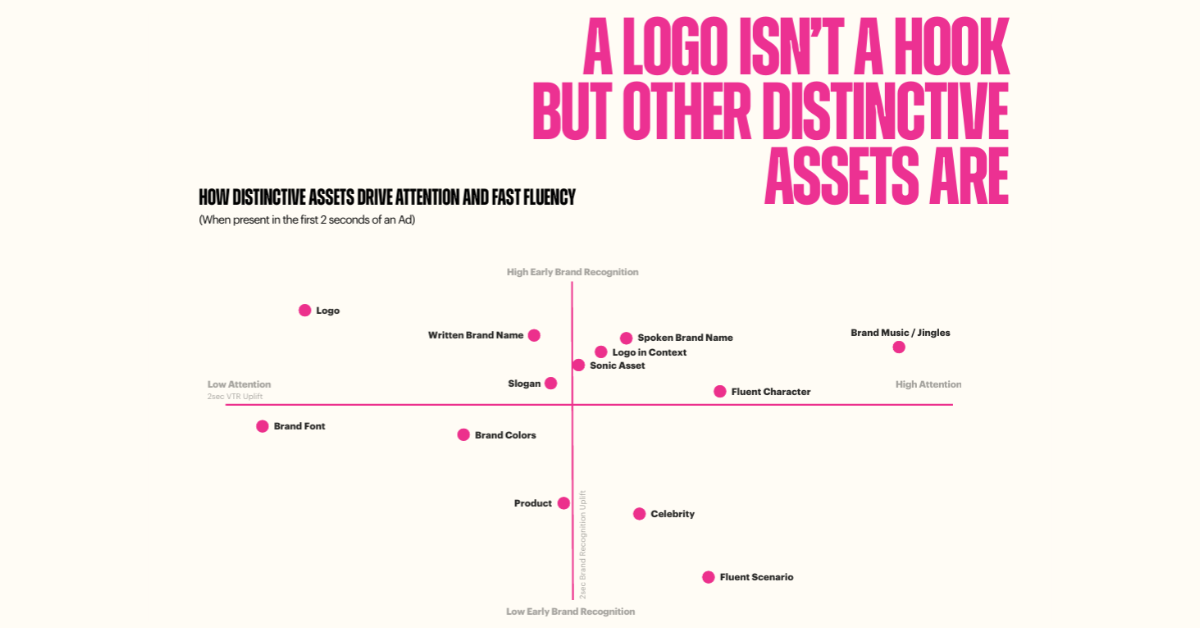
So, what does distinctive entertainment look like? System1 and TikTok’s research mapped out distinctive assets according to their ability to draw attention and drive early brand recognition.
What works:
- Logo in context
- Fluent characters
- Brand music / jingles
- Sonic assets
- Spoken brand name
- Product in hands / environment
And importantly, here’s what doesn’t work:
- Adding a static logo to the opening frame = +50% skipping and lower brand awareness lift
- Using celebrities (non-brand-owned) doesn’t improve brand recognition
Follow this marketing rule of thumb: If you wouldn’t use a brand asset in a TV ad to build memory, don’t expect it to work in short-form video either.
Want to here the full overview from Andrew? Watch below.
Making the Most of Creator Content
The research and insights presented by Jane, Tom and Andrew converges on one truth. Creators are now one of the most powerful brand-building channels that advertisers can leverage, but only when brands invest in creative quality.
- Creator ROI is real and strongest in the long term
- Attention is the new battleground and creators win it
- Branding is the gap but also represents the biggest opportunity
- Entertainment equates to effectiveness
- But entertainment must be distinctive, using the right assets to turn attention into brand growth
Create with Confidence® When Leveraging Creators
According to IAB’s 2025 Creator Economy Ad Spend & Strategy Report, US ad spend tied to creators was projected to reach $37 billion in 2025, up 26% year-over-year. In 2026, the creator economy will undoubtedly continue thriving, with influencers driving mental availability and purchases for their brand partners.
Yet there is a lot of creative variance among creator ads. The smartest marketers will carefully review which creators put quality over quantity, adequately brief their influencer partners towards distinctive entertainment and pre-test assets to predict, learn and optimize for the future.
Want to access the full The Long and the Short (Form) of It report? System1 and TikTok’s study analyzed 887 social ads, collecting emotional responses from 92,000+ TikTok users and connecting these insights to 350+ brand lift studies. Download your free copy today so that you can Create with Confidence® when planning your next social campaign.
And if you’d like to learn more about System1’s Test Your Ad Social platform, contact our team today!