
2016 Wasn’t Just a Year It Was a Launchpad: Consumer Innovations That Survived the Decade
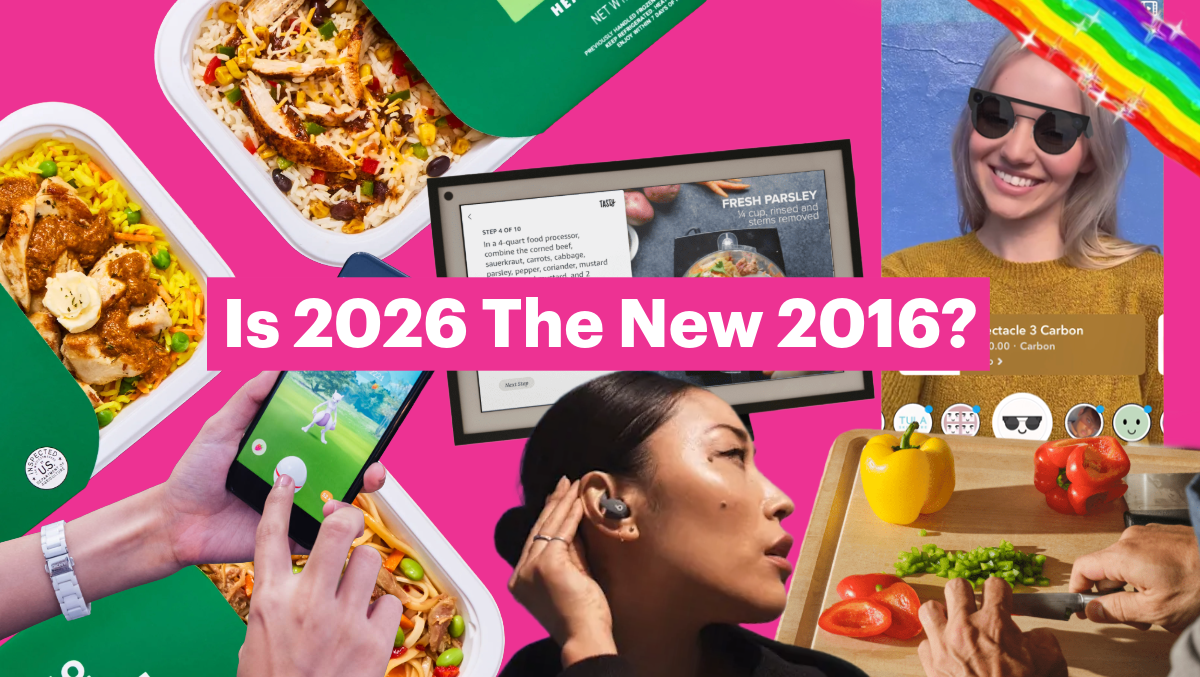
There’s a curious cultural echo happening in 2026: the energy of 2016 is back. And when it resurfaced, it didn’t whisper. It walked back into the room wearing matte lipstick, oversized hoodies, and a playlist anchored by Rihanna, Drake, and early Lemonade-era Beyoncé.
In 2026, the signals are everywhere.
Fashion has reopened its love affair with streetwear silhouettes, logo-forward basics, bomber jackets, and unapologetic comfort. Beauty trends have swung back toward bold brows, contour-forward makeup, and statement lips after years of minimalist “clean girl” restraint. Music cycles are reviving mid-2010s pop, trap-inflected beats, and the emotional maximalism that defined playlists a decade ago. Even pop culture rhythms feel familiar again: fandom-driven moments, shared digital experiences, and culture that spreads because it’s felt, not forced.
What’s striking isn’t just that 2016 aesthetics are back. It’s that many of the products, platforms, and behaviors born during that era never actually disappeared. They evolved quietly while trends churned around them.
Which raises a bigger question for brands:
What was it about 2016 that produced so many ideas with staying power?
Because that year didn’t just generate memes and moments. It launched innovations that embedded themselves into daily life in the US and UK and are still shaping consumer behavior ten years later.
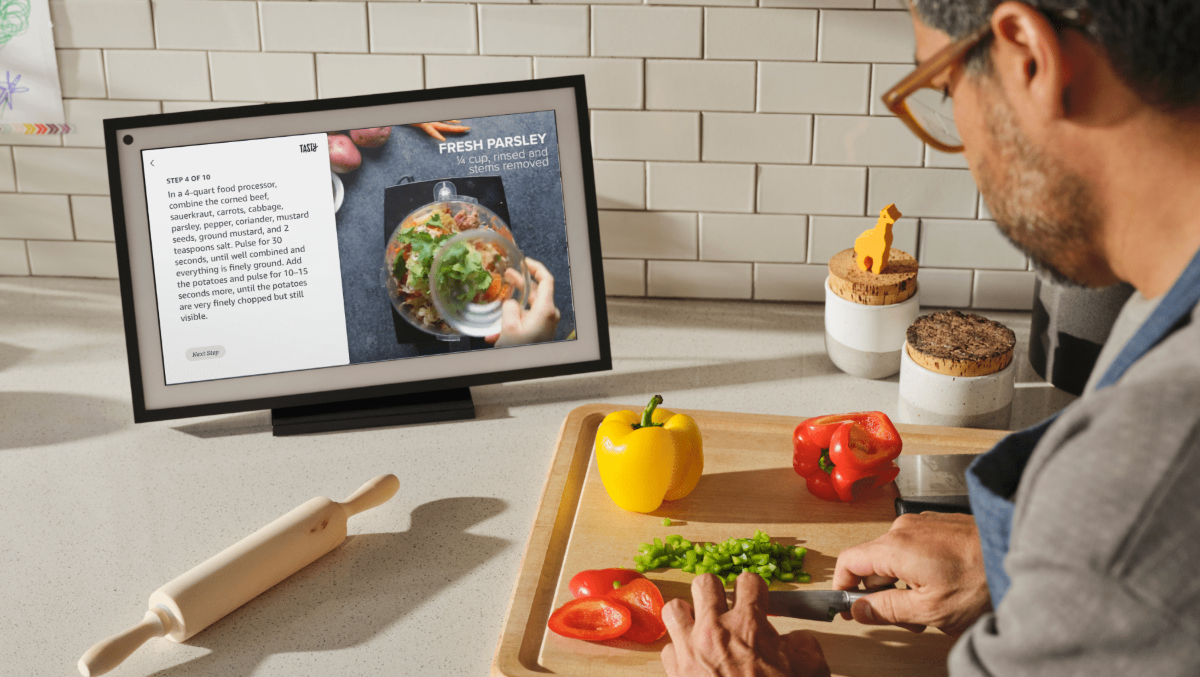
1. Smart Displays (Echo Show, Google Home Hub)
Then: Voice assistants with screens felt like tech optimism in physical form.
Now: They’ve become domestic infrastructure, quietly managing homes, routines, and reminders. A kitchen Echo Show that proactively surfaces family schedules, auto-suggests dinner based on what’s in the fridge, and cues up step-by-step recipes without being asked.
Why it stuck: They transformed usefulness into habit. Once a product becomes part of the background rhythm of life, it’s very hard to replace.
2. Snapchat’s AR Lenses
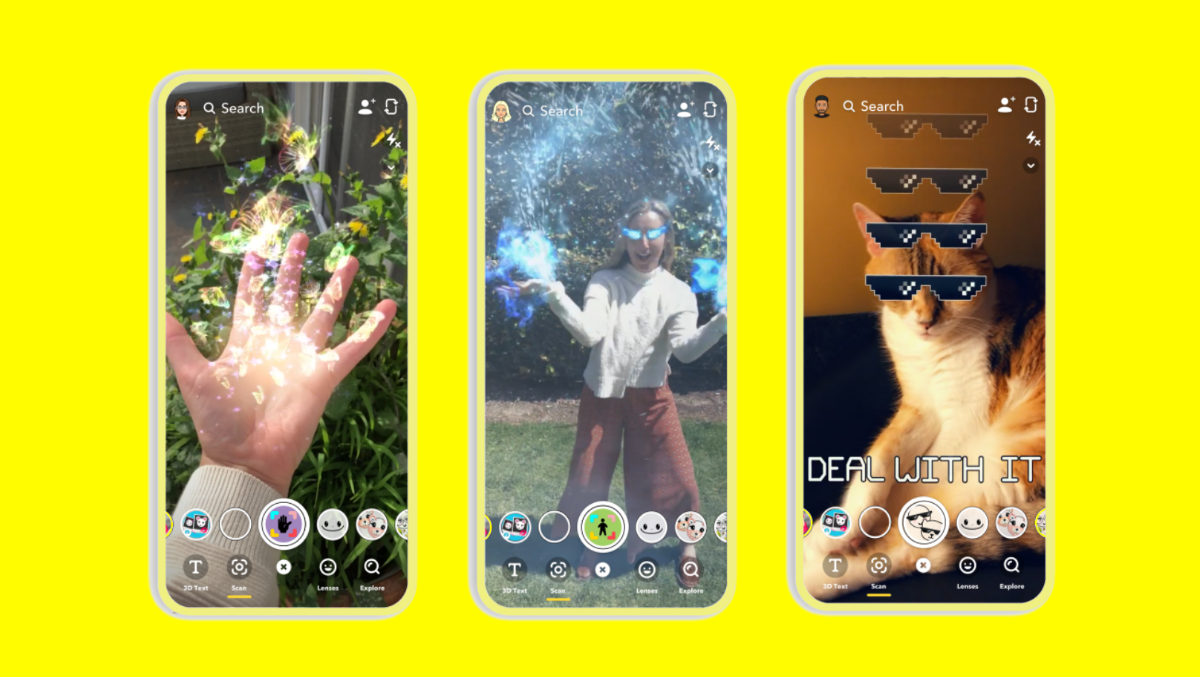
Then: Playful filters that turned faces into canvases.
Now: A foundation for AR commerce, branded experiences, and digital self-expression. Location-triggered branded lenses at concerts, sporting events, and retail pop-ups, turning physical attendance into shareable digital moments.
Why it stuck: What started as fun evolved into function, a classic signal of long-term relevance.
3. Pokémon GO and Location-Based Gaming
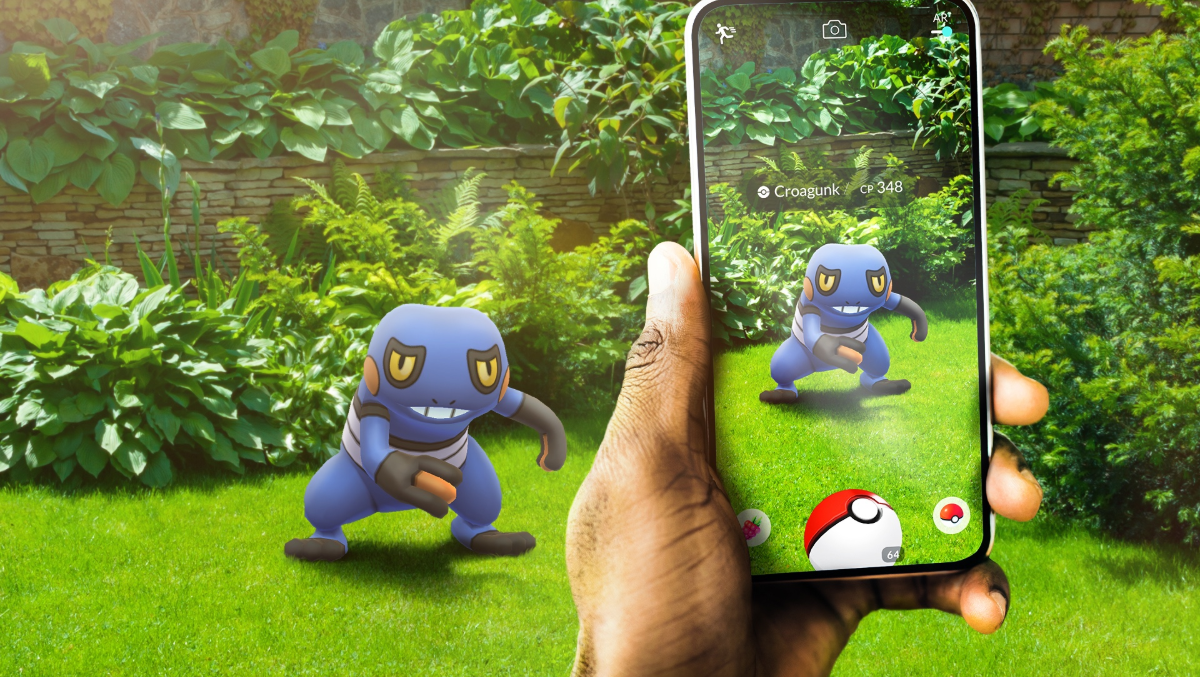
Then: A cultural moment that pulled millions into the streets, blurring the line between digital and physical worlds.
Now: A durable platform for live events, brand integrations, and community-driven play, and the blueprint for how AR can drive real-world behavior.
Why it stuck: Pokémon GO succeeded because it activated emotion first. Nostalgia, joy, competition, and social connection weren’t features, they were the engine. The technology enabled the experience, but the feelings sustained it.
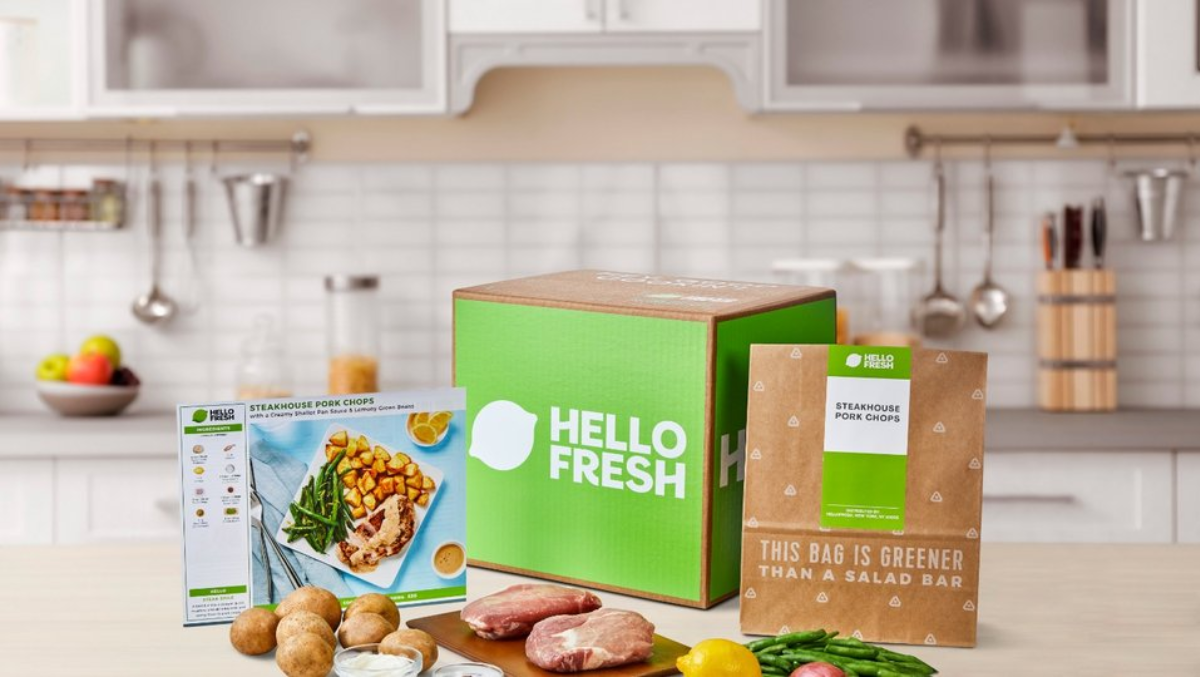
4. Meal Kit Delivery Services
Then: A curiosity for time-poor urbanites.
Now: A normalized part of food culture, particularly in hybrid-work households. Meal kits no longer compete with restaurants. They compete with the question “What’s for dinner?” and increasingly win.
Why it stuck: They solved a real problem repeatedly. Convenience plus confidence turned occasional use into routine.
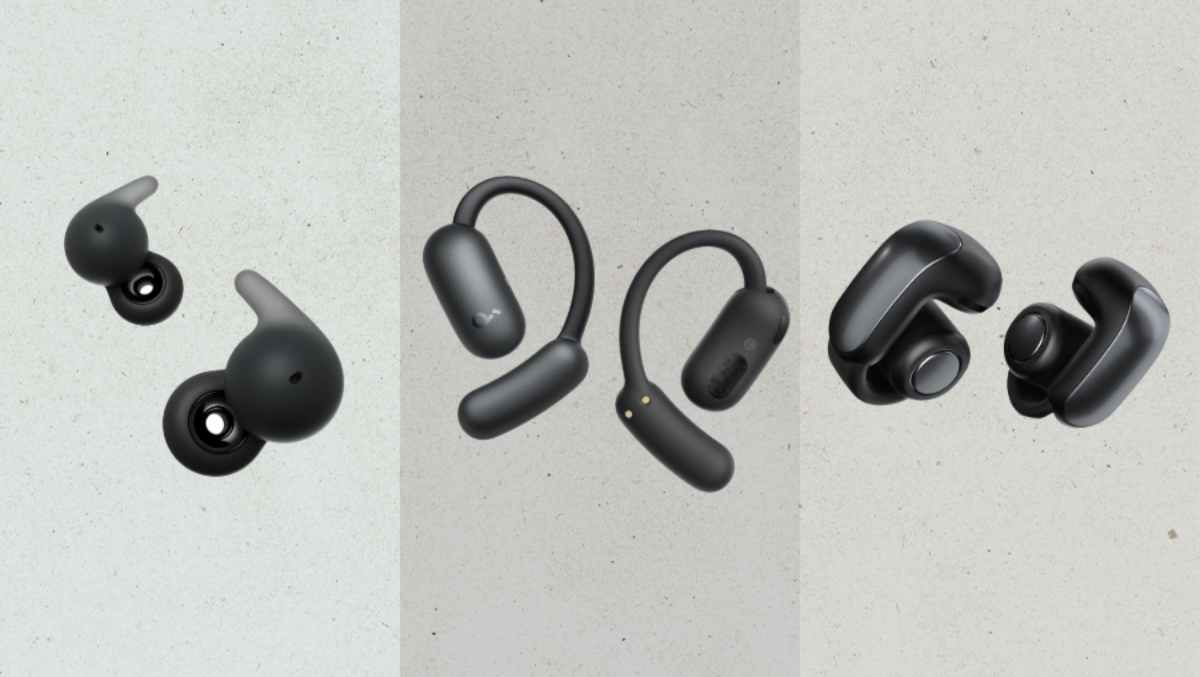
5. True Wireless Earbuds
Then: A bold removal of the headphone jack.
Now: A lifestyle essential, embedded in work, fitness, travel, and entertainment. They can seamlessly switch between work calls, spatial audio entertainment, and fitness tracking without user input.
Why it stuck: They removed friction entirely. When a product disappears into daily life, longevity follows.
The Pattern Behind What Lasts
Across these innovations, the pattern is consistent:
- They created emotional engagement, not just functional advantage
- They encouraged repeat behavior, not one-time trial
- They scaled into ecosystems, not isolated features
Pokémon GO didn’t last because it was new. Smart displays didn’t last because they were clever. These ideas lasted because they felt good to return to.
And that’s the hardest thing to predict unless you test for it deliberately.
How System1’s Test Your Innovation Tool Helps Brands Build for the Next Decade
The biggest risk in innovation isn’t failure at launch, it’s fast fading relevance. System1’s Test Your Innovation tool is built to help brands understand whether an idea has the emotional and cognitive strength to endure.
Instead of asking consumers what they think, it measures how they respond:
- Emotional intensity and engagement
- Distinctiveness within the category
- Likelihood to form habits over time
In other words, it helps identify whether your innovation feels like a 2016 flash or a 2036 fixture.
The brands that launched decade-defining products in 2016 didn’t have hindsight — but today’s brands have something better: predictive insight grounded in human emotion.
The Takeaway
The resurgence of 2016 culture isn’t about looking backward. It’s about recognizing what works when trends fade and routines remain.
If your next innovation:
- Sparks emotion
- Fits naturally into daily life
- And earns repeat engagement
It has a chance to join the short list of ideas that still matter ten years later.
With System1’s Test Your Innovation tool, brands don’t have to wait a decade to find out.