
The Cheddar Bay Comeback Tour: Why Fast Casual Is Having a Main Character Moment
A few years ago, it felt like America had entered its “small plates and QR code menus” era. Fast casual chains and legacy dining brands were fighting an uphill battle against delivery apps, inflation, changing consumer habits, and the cultural dominance of the $19 grain bowl. But suddenly? The breadsticks are back. The booths are full. And the vibe is oddly triumphant.
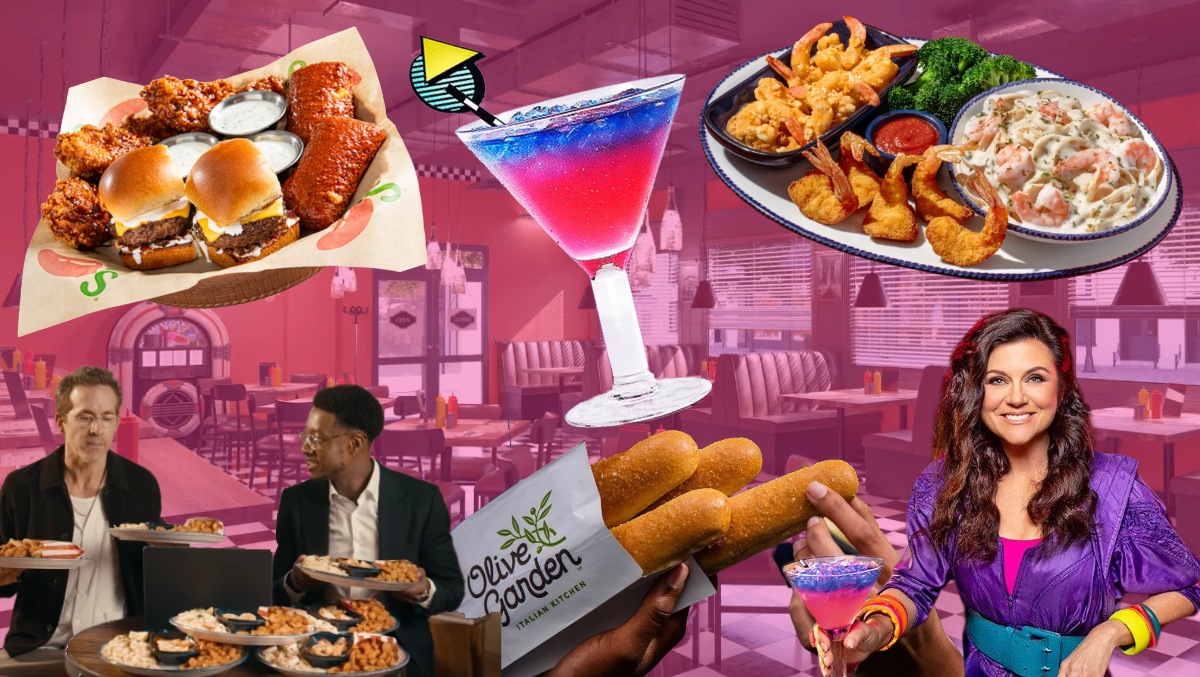
Brands like Chili’s Grill & Bar, Red Lobster, and Olive Garden are seeing a cultural resurgence that feels less like nostalgia and more like a strategic rebrand of Americana itself. Somewhere between “girl dinner,” economic anxiety, and TikTok mozzarella-stick discourse, casual dining chains have become cool again. Or at least cool-adjacent. Which, frankly, is enough.
And yes, when Ryan Reynolds shows up alongside leadership from Red Lobster in a campaign, it tells us something important: these brands aren’t just selling shrimp anymore. They’re selling relevance. The same goes for Chili’s tapping into millennial nostalgia with Tiffani Thiessen in a recent campaign that winked directly at audiences who grew up with both sitcom reruns and skillet queso.
So, What’s Actually Driving This?
Part of it is economic.
Consumers still want experience, but many are trading down from premium dining to places that feel affordable, familiar, and indulgent without requiring a second mortgage. A three-course dinner at a trendy hotspot can quickly become a “should we have just made an extra mortgage payment?” conversation. Meanwhile, endless fries and two-for-$25 deals feel emotionally abundant.
But there’s also a deeper cultural shift happening.
These restaurants are embedded in American life. Birthday dinners. Post-soccer-game celebrations. First dates. Awkward family reunions. Bottomless baskets of carbs inhaled during a breakup.
Consumers are craving comfort and familiarity, but they still want novelty layered on top. That’s why we’re seeing chains reinvent themselves through:
- Limited-time menu drops
- Celebrity partnerships and internet-native humor
- Viral menu hacks and hyper-shareable food visuals
In many ways, casual dining has become the streetwearification of restaurants. Scarcity. Hype. Collaboration culture. Menu drops treated like sneaker launches.
The “Triple Dipper” becoming a social media sensation wasn’t an accident. Neither was Red Lobster leaning into self-awareness and pop culture relevance. These brands are learning how to participate in culture instead of just advertising at it.
Why This Matters For Innovation
For marketers, this resurgence creates an especially interesting challenge: how do you modernize without alienating the audience that made the brand iconic in the first place?
That tension is exactly why tools like System1 Test Your Innovation are becoming increasingly valuable in the category.
Because in fast casual and casual dining, innovation doesn’t stop at the food itself. Brands have to optimize the entire emotional experience around the product:
- Menu naming
- Visual presentation and packaging
- Brand partnerships and promotional language
Consumers don’t choose menu items rationally. They choose emotionally. The difference between a “Spicy Chicken Sandwich” and a “Nashville Hot Crispy Crunch” isn’t just semantics. It’s appetite theater.
With Test Your Innovation, brands can evaluate which ideas create the strongest emotional response before investing heavily in rollout. That means understanding:
- Which concepts feel craveable
- Which names spark curiosity
- Which innovation territories feel authentic to the brand
And in a category increasingly driven by social sharing and cultural participation, those emotional nuances matter enormously.
Who’s The Target Market?
Ironically, not just Boomers clutching a rewards card.
Millennials and Gen Z are increasingly fueling the resurgence, but they’re approaching these brands differently than previous generations did.
For younger consumers, chains offer:
- Predictability in chaotic economic times
- Retro Americana aesthetics and ironic nostalgia
- Permission to indulge without pretension
There’s also a growing rejection of hyper-curated wellness culture. Sometimes people just want cheddar biscuits and a margarita the size of a lava lamp. The pendulum swings.
From a marketing perspective, these brands sit in a uniquely powerful space: high awareness, low perceived risk, and deep emotional familiarity. That’s fertile ground for innovation.
The Future of Fast Casual Might Be… Fun Again
For years, restaurant marketing drifted into a sea of sameness. Clean fonts. Minimalism. Earnest sustainability messaging. Every brand sounding like a meditation app that also sold tacos.
Now the category is rediscovering personality.
Consumers are rewarding brands that feel entertaining, self-aware, emotionally rich, and yes, a little extra. The brands winning right now understand that dining out isn’t just transactional. It’s escapism with ranch dressing.
The next era of fast casual innovation likely won’t be defined purely by healthier ingredients or operational efficiency. It’ll be defined by brands that can create emotional magnetism at scale.
And if the comeback stories of Chili’s and Red Lobster are any indication, America may never emotionally recover from the power of a well-marketed appetizer sampler.
The Next Big Menu Item Might Be Emotional
Test Your Innovation helps brands uncover the emotional potential of new ideas before they launch, because the strongest innovations create desire, not just demand.