
The Pack Is an Emotional Object
Shopping is not getting easier
People are still dealing with price pressure, tighter budgets, more choice, more channels, more claims, more promotions, more notifications, and less time. The modern shopper is not serenely drifting down the aisle as if wandering through an art gallery. They are managing a list, a budget, a phone full of notifications, a small child, a conscience, and often a mild sense of economic dread.
In that environment, packaging has a very hard job to do.
It has to be seen. It has to be recognised. It has to be understood. It has to feel right. And it has to do all of that in seconds.
The moment where memory becomes action
That is why packaging should never be treated as just the thing that goes around the product. It is one of the most emotionally loaded parts of a brand.
Advertising, social and activation can build expectation, fame and memory. But packaging is where those memories have to be recognised, trusted and acted on at the moment of choice. It is the physical meeting point between brand, product and shopper behaviour.
Shoppers do not shop like researchers
And yet, pack research too often treats packaging as if people are carefully evaluating it. As if shoppers are standing at shelf with a clipboard, calmly auditing typography, hierarchy, variant logic and claims architecture like they have all afternoon and no children tugging at their trouser legs asking for ice cream and an overpriced Bluey magazine.
They are not.
Most shopping decisions are fast, habitual and instinctive. People use shortcuts. They look for familiar colours, shapes, logos, characters, formats and cues. Brands grow by building and refreshing memory structures. Packaging has to trigger those structures quickly enough to help people choose.
Do not interrupt the shortcut
This is especially important for familiar brands. Existing packs carry more emotional weight than many teams realise. A colour, bottle shape, label, cap, character or visual ritual can become part of how people know and feel the brand. Change the wrong thing and you do not just change the design. You interrupt the shortcut.
Tropicana remains the classic warning. The juice did not change. The pack did. But consumers lost something familiar and emotionally reassuring. The brand underestimated how attached people were to the old design, and the redesign became one of the most famous packaging missteps in CPG history. In their own words: “We underestimated the deep emotional bond consumers had with the original packaging.”
The lesson is not “never change packaging.” That would be nonsense. Brands need to modernise, recruit new buyers, improve standout, support new occasions and keep pace with culture. The lesson is that you need to understand which parts of the pack are doing the emotional work before you start moving things around.
The better questions to ask
A good pack redesign should not simply ask, “Do people prefer this?” Preference is useful, but it is not enough. The better questions are:
Does it create emotional pull?
Does it protect the memory structures people already use?
Can people find it quickly?
Can they recognise the brand and product in a second?
Does it send the right signals?
Does it convert in a competitive context?
Does it retain current buyers while giving non-buyers a stronger reason to choose?
That distinction matters because current buyers and non-buyers do not always respond in the same way. Brand buyers may value familiarity, reassurance and continuity. Non-buyers may be more open to new visual energy, modernity or a clearer reason to reconsider. A redesign that excites one group but disrupts the other needs careful handling.
Two redesigns, two different jobs
Two recent examples show how this can work.
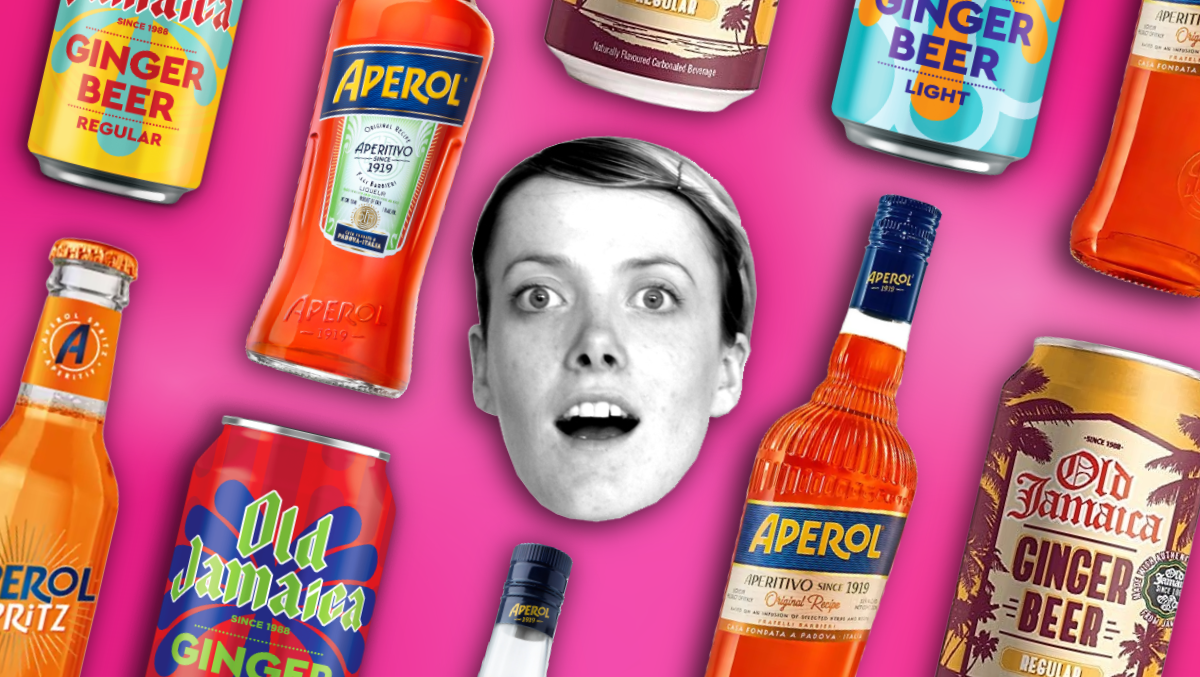
Aperol’s 2026 pack refresh is a smart example of evolution rather than disruption. The brand did not throw away what made it recognisable. Instead, the new design gave more prominence to one of its strongest emotional assets: the bright orange liquid. The result was a pack that held recognition and findability while improving emotional response and strengthening associations such as attractiveness, taste, trust, iconicity and innovation.
Old Jamaica shows a slightly different challenge. The brand needed to modernise and appeal to a new generation, without alienating loyal buyers. The new design delivered stronger visual energy through brighter colours, a cleaner structure and a more contemporary feel. It improved appeal among non-buyers and younger audiences, while broadly holding performance overall. But the research also revealed a transition risk: existing buyers took longer to find the new pack, suggesting the need for clearer signposting at launch.
Why emotionally grounded pack testing matters
That is exactly why emotionally grounded pack testing matters. It does not just say whether a design “wins.” It helps explain what kind of win it is, who it works for, what it risks, and how to optimise before the change hits shelf.
System1’s Test Your Pack framework is built around the real sequence of shopper decision-making. It starts with the instinctive System 1 response: how the pack makes people feel, whether it gets noticed, and whether it sends the right brand and product signals. It then connects those early reactions to the behavioural outcome: does the pack convert when shoppers see it in a competitive context? Finally, it adds deliberate evaluation, helping explain why the pack works, where it may need optimising, and what should be protected before launch. That full journey matters because great packaging is not just about looking better. It is about creating emotional pull, earning attention, triggering recognition and making the choice feel easy.
Make the next decision easy
Packaging is not just a design object. It is a behavioural object. A memory object. An emotional object.
The best packs do not ask shoppers to think harder. They help them choose faster. They reduce effort. They trigger recognition. They create feeling. They make the next decision feel easy.
And in a world where shoppers are short of money, short of time and short of attention, that may be one of the most valuable jobs any brand asset can do.